
Waste to Energy Equipment
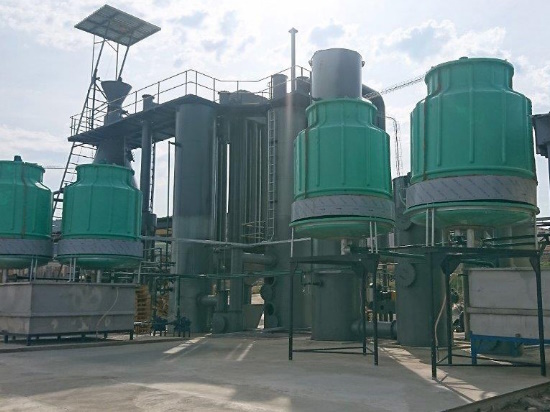
Waste to Energy Equipment
Waste-to-energy equipment refers to various types of technologies and equipment used to convert waste into energy, including heat, electricity, and fuel. These technologies typically involve thermal, biological, or chemical processes to transform waste materials into usable forms of energy.
One common type of waste-to-energy equipment is an incinerator, which uses high temperatures to burn and convert solid waste into ash and flue gas. This process can generate heat or electricity, and the ash can be used as a construction material or disposed of in a landfill.
Another type of waste-to-energy equipment is a gasifier, which uses a combination of heat, pressure, and oxygen-starved environments to convert waste into a gas known as syngas. This gas can be used to generate heat, electricity, or fuel, and the residual ash can be used for construction or as a fertilizer.
Pyrolysis is another waste-to-energy process that involves heating waste materials in the absence of oxygen, resulting in the creation of oil, gas, and char. This oil and gas can be used for fuel, while the char can be used for soil improvement.
Biological waste-to-energy technologies include anaerobic digestion, which uses microorganisms to break down organic waste and produce biogas that can be used for heat or electricity.
Overall, waste-to-energy equipment provides an alternative to traditional waste management practices and can help reduce waste volumes while generating energy from what would otherwise be discarded. However, it is important to ensure that the waste being used is properly sorted and free of contaminants to avoid negative environmental impacts.